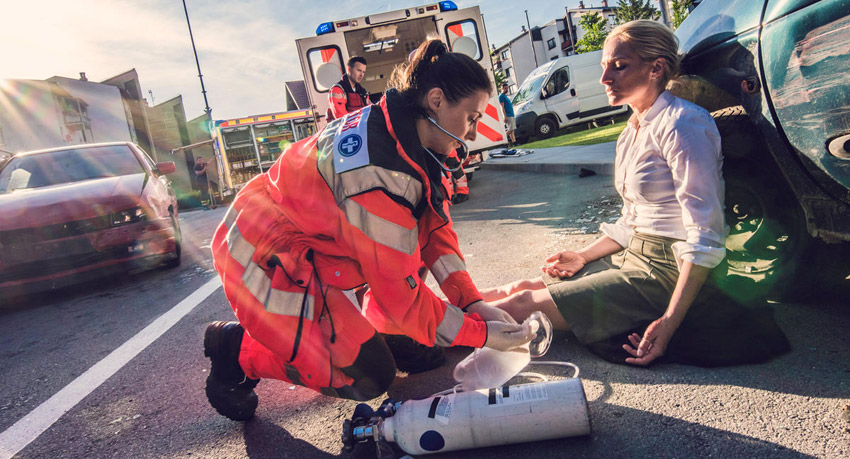
Emergency treatment seldom uses the luxury of time. Pain shows up as a signs and symptom, a signal, and occasionally an analysis catch. In the area or the emergency situation division, clinicians manage air passage, blood circulation, and an individual's concern, all while deciding just how to treat discomfort without covering up essential medical indications. Succeeded, early analgesia boosts diagnostic precision, supports physiology, and builds trust fund. Done badly, it risks oversedation, missed red flags, or a patient who never wishes to look for aid again.
This is where organized training matters. PUAEME008 Give discomfort administration provides responders a structure that can be used under pressure. Whether you are a paramedic student, a registered nurse refreshing skills, or a physiotherapist entering severe treatment functions, a targeted pain monitoring program can tighten the link between pharmacology, assessment, and scene judgement.
What pain implies in the emergency situation setting
Pain in emergency situations is not just a number on a scale. It is an advancing narrative. Device of injury, comorbidities, medications, age, and culture all form the client's record. High discomfort can mirror tissue damage, yet it can likewise mirror stress and anxiety, chilly exposure, dehydration, or hypoxia. A deep breath can turn a 3 into a 7 when rib cracks are present. Gentle splinting might take a 9 to a 4 without a milligram of analgesic.
I have actually seen an elderly guy with a fractured neck of femur go pale with anxiety simply from being moved onto an inside story stretcher. Opioids assisted, yet placing, cozy blankets, and a calm description got even more convenience than any kind of drug in the first five mins. Good emergency pain administration starts before the vial cracks.
The case for organized protocols
Protocols are not manacles, they are guardrails. They promote safe application, methodical assessment, and documents while permitting clinician discernment. In atmospheres that teach PUAEME008 Give discomfort monitoring, -responders discover to secure their actions to repeatable steps: pain scales, contraindication checks, dosage bands, keeping an eye on strategies, and re-assessment intervals.
The advantage turns up specifically with time-critical and prehospital instances. Intranasal fentanyl carried out within minutes of arrival at a sporting activities field can reduce sympathetic surge, enhance collaboration for immobilization, and cut scene time. Methods trigger the ideal questions and the appropriate medicine options, especially when stress and anxiety deteriorates memory.
Assessment that overviews action
Pain evaluation in emergency situations relies on quality and consistency. A numerical score scale from 0 to 10 benefit the majority of grownups if you invest 5 added secs in explanation. The Wong-Baker faces scale or FLACC can assist with kids or non-verbal individuals. Two details matter more than we admit: pick a range and stay with it, and record both the score and the functional effect. "Discomfort 8/10, can not weight bear upon left leg, securing hip" states much more than a solitary digit.
Contextual ideas guide pharmacology. Burning pain that radiates down a leg behaves in a different way from a colicky ureteric pain. A patient with severe upper body pain and diaphoresis requires a mindful method to opioids and anxiolytics, plus oxygen titrated to require, antiplatelets when indicated, and careful hemodynamic viewing. PUAEME008 training emphasizes checking out the entire individual: airway security, respiratory effort, flow, neurologic condition, advanced training for pain management and the interplay with analgesics.
Pharmacology that earns its keep
Emergency analgesia rests on a few reputable pillars. Each drug family members has strengths and restrictions. The selection depends upon course, start, dosing flexibility, adverse effects profile, and the person's physiology.
Opioids remain the foundation for severe modest to severe pain. Fentanyl, morphine, and hydromorphone all work, yet they feel various in practice. Intranasal fentanyl transforms a disorderly scene by providing quick alleviation without a cannula. Intravenous morphine offers smoother titration if an IV is established. Hydromorphone's effectiveness and longer period make it valuable in ED setups with close surveillance, though it requires cautious titration. The trade-off is always respiratory system clinical depression, nausea or vomiting, hypotension, and the danger of piling doses before heights are reached. Training programs and pain administration training courses hammer this factor: titrate slowly, reassess at predictable intervals, and expect side effects instead of go after them.
Ketamine has actually made a company place for extreme trauma, burns, and opioid-sparing methods. At dissociative doses it supplies rapid, durable analgesia with maintained air passage reflexes, an advantage when sources or experienced back-up are restricted. At sub-dissociative doses, it can blunt wind-up pain without the respiratory system concession seen with opioids. Appearance reactions, hypersalivation, and high blood pressure results must be comprehended and prepared for. Clinicians who complete a pain management qualification course that covers ketamine generally end up being extra certain in matching dose to circumstance, particularly for adults with unstable hemodynamics or for children needing short agonizing procedures.
Nonsteroidal anti-inflammatory medicines and paracetamol (acetaminophen) are not attractive, however they are essential. A gram of IV paracetamol has actually rescued even more individuals than several sophisticated treatments, particularly in renal colic or cracks that still need conclusive care. NSAIDs decrease prostaglandin-mediated pain and inflammation, yet they do carry kidney and bleeding dangers. The option of course matters. In vomiting patients or those waiting for cinema, IV solutions avoid getting worse nausea.
Nitrous oxide, where available, provides fast-on, fast-off analgesia and anxiolysis. It helps in other words procedures like dislocations or injury irrigation. It likewise needs scavenging systems and personnel trained to expect diffusion hypoxia and contraindications such as pneumothorax or bowel obstruction. In resource-limited prehospital settings, several services have actually approached intranasal fentanyl and away from nitrous systems because of logistics. Pain monitoring training courses that extend several solutions have a tendency to highlight these operational realities.
Regional anesthetic, consisting of fascia iliaca blocks for hip cracks or hematoma blocks for lower arm fractures, can transform outcomes. The analgesic top quality is superior to systemic opioids, and side effects are marginal when performed correctly. Training demands are greater. A certificate course hurting management that integrates ultrasound essentials and anesthetic security widens the tool kit for registered nurses and physiotherapists operating in extended range roles, in addition to for paramedics with local protocols.
Non-pharmacological procedures are entitled to an equivalent seat at the table. Splinting, grip, ice, warmth, elevation, and mindful positioning frequently do extra for comfort than an extra milligram of opioid. Client mentoring minimizes muscle convulsion and permits much better exam. These strategies are highlighted basically programs in pain monitoring because they are secure, quick, and offered at every degree of care.
Safety first, also when seconds count
Safety in emergency situation pain management hinges on 4 behaviors: screen for contraindications, expect unfavorable results, screen appropriately, and record. The lists vary by jurisdiction, however the reasoning does not.
Before supplying opioids or sedatives, think through airway threat, particularly in clients with alcohol on board, head injury, or sleep apnea. Bear in mind drug interactions such as serotonergic representatives with tramadol. Inspect renal function and bleeding risk when considering NSAIDs. Observe for hypotension with morphine and for tachycardia or hypertension swings with ketamine. Titrate oxygen to need instead of reflexively administering high circulation to every patient, unless hypoxia exists or methods specify oxygen for certain presentations.
PUAEME008 Provide discomfort monitoring anticipates professionals to identify warnings: disproportionate pain with strained swelling suggesting area disorder, pain out of maintaining with examination in immunosuppressed or senior patients, and recurring discomfort in those with risky histories such as aortic aneurysm. Educating stresses that analgesia need to not postpone transportation when time-sensitive conditions are presumed. Instead, it ought to be incorporated right into the prompt plan.
How PUAEME008 suits professional practice
The PUAEME008 unit is designed to formalize fundamental skills in emergency situation analgesia for very first -responders, firemans, and others that run in high-variability settings. The unit teaches assessment methods, risk-free medicine management within range, tracking, and handover that includes analgesia given and reaction. In solutions that embrace the unit, staffs speak the very same language when reporting pain scores, dosages delivered, and the moment program of improvement.
For medical professionals checking out discomfort administration courses for registered nurses or discomfort management courses for physiotherapists, this device usually rests along with broader modules on injury, clinical emergencies, and step-by-step assistance. It supports the pharmacology to a risk-managed technique and plainly marks range of technique. Graduates obtain a discomfort management certificate that demonstrates proficiency under supervision and in real-world scenarios.
In practice, I have actually seen teams that finished PUAEME008 relocate faster from assessment to action, specifically with intranasal fentanyl and early non-pharmacological procedures. Handover ends up being more specific: "Preliminary pain 8/10 best wrist, splinted, ice used, IN fentanyl 60 micrograms, reflected on at 5 minutes to 4/10, vitals secure, GCS 15." That level of clarity lets the ED team continue titration without presuming what occurred in the field.
Practical methods that stand up under pressure
Protocols obtain reliability when they match the restraints of the environment. Rural centers need long-acting methods for postponed transfers. Urban solutions might focus on quick titration and short procedures. In any setting, a basic scaffold assists:
- Assess and record standard pain score, mechanism, vitals, and warnings. Choose the scale and use the same scale for reassessment. Begin with non-pharmacological measures: splinting, placing, ice or heat when proper, reassurance. These can run in parallel with drug preparation. Select the analgesic and route that fits the patient and the scene. Intranasal for quick accessibility, IV for titration, regional block when competent staff and time enable. Screen for contraindications. Titrate and reassess at fixed intervals, recording discomfort score, sedation degree, vitals, and any type of damaging impacts. Change dose or button approach based upon response. Prepare for transfer or procedure with a surveillance and handover strategy. Include what was offered, times, action, and what continues to be to be done.
That five-step flow mirrors what lots of discomfort management training programs instruct. It is fast enough for the curbside yet complete enough for audit and high quality improvement.
Special populations, different risks
Children metabolize and respond to analgesics differently. Weight-based application is non-negotiable, and intranasal routes streamline treatment. The greatest risk is underdosing because of fear. A kid in real distress breathes fast and superficial, fights immobilization, and can wear away into exhaustion. Thoroughly determined fentanyl or ketamine, supplied with calm descriptions, can turn a fight into cooperation.
Older grownups feel pain intensely yet existing atypically, particularly with cracks, abdominal disasters, or myocardial infarction. They are susceptible to ecstasy, level of sensitivity to opioids, and renal impacts from NSAIDs. Regional anesthesia beams below. So does mild titration and frequent re-evaluation. A discomfort management certification that covers geriatrics will certainly highlight these nuances.
Pregnancy complicates medicine selections. Paracetamol is usually secure, while NSAIDs are stayed clear of late in gestation. Opioids are made use of very carefully with surveillance, going for the most affordable effective dose. Always take into consideration obstetric appointment if abdominal pain is unexplained.

Patients with substance use disorders are worthy of the very same regard and relief as any person else. Opioid resistance often suggests higher doses are needed, not that discomfort is made. Ketamine and local techniques help avoid excessive opioid requirements. Paperwork that separates clinical judgment from predisposition secures both client and provider.
When analgesia and medical diagnosis seem to collide
One of the longstanding myths is that analgesia covers diagnosis. In method, prompt analgesia commonly improves the test. A midshaft femur crack can be lined up and examined more securely after a determined dosage of fentanyl. Appendicitis does not vanish when morphine is offered; safeguarding and rebound stay observable with knowledgeable hands. The secret is to take a look at before and after analgesia, and to tape searchings for each time.
There are exemptions. In the unusual case where a neurologic test have to be excellent, sedating agents should be postponed till paperwork is full. Also after that, non-pharmacological strategies and little, relatively easy to fix dosages can provide relief without removing information. Pain monitoring training for registered nurses and paramedics often utilizes simulation to practice this balance.
Building capability through education
Short courses in pain management differ commonly. The most effective programs mix pharmacology, useful skills, and scenario work. They teach when not to give a medicine equally as clearly as when to provide it. Abilities like preparing intranasal fentanyl swiftly and precisely, troubleshooting nebulized analgesia for burns, or doing a fascia iliaca block with a site technique can be found out in hours, but competence grows with practice and feedback.
For those seeking a pain monitoring certification or discomfort monitoring qualification, search for training courses that include:
- Clear scope of practice mapping and legal considerations Pharmacology with reasonable application ranges and damaging effect management Non-pharmacological methods that can be deployed immediately Monitoring standards, sedation scales, and paperwork frameworks Scenario-based evaluations that mimic the stress and anxiety and sound of actual cases
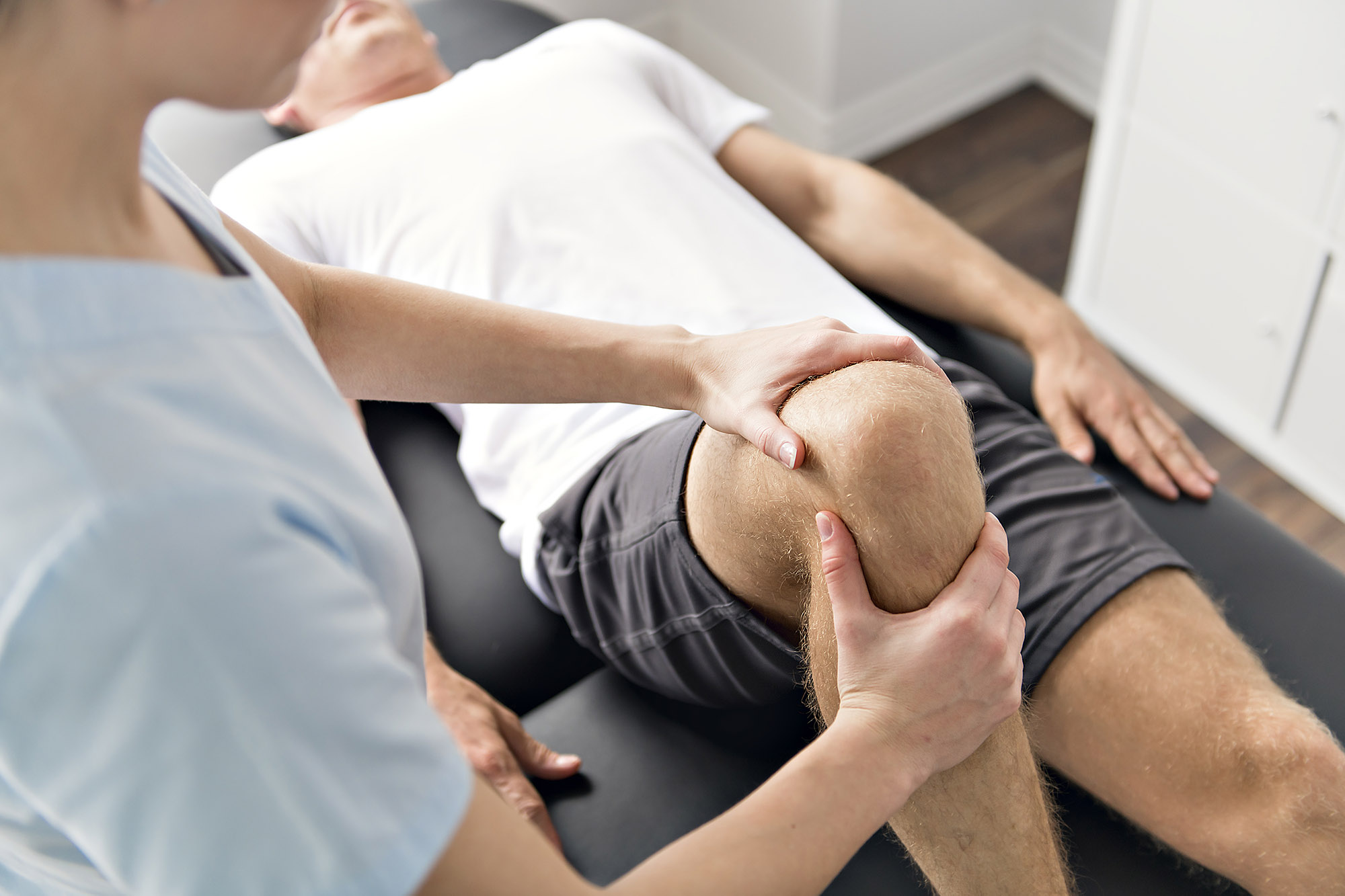
For nurses expanding right into triage and fast-track roles, pain administration training for nurses ought to emphasize very early assessment, risk-free triage analgesia protocols, and pathways for rise. For physiotherapists operating in emergency situation or acute treatment, pain administration programs for physio therapists should link analgesia with movement, positioning, and very early practical goals, including secure mobilization after regional anesthesia.
PUAEME008 supply discomfort management fits neatly into this bigger landscape. It provides a concentrated, practical block of finding out that can be stacked with broader pain management training courses or used as a refresher. Suppliers who finish it often go on to a pain administration certification program that includes procedural sedation, local blocks, and complex situation reviews.
Documentation and handover: the quiet pressure multiplier
Good paperwork looks boring, and that is a compliment. Time, medicine, dose, route, reaction, unfavorable impacts, and the following review time. Discomfort ratings at constant intervals. Sedation ratings when pertinent. This level of detail allows courses in emergency pain management the obtaining team understand trajectory. It additionally protects versus dosage piling and missed deterioration.
Handover take advantage of organized mnemonics, yet stay clear of drowning the getting clinician in noise. A concentrated pain story helps: system, initial pain and function, interventions, reaction, present status, unsolved issues. Discomfort administration training programs often include handover drills because this is where gains in the field can be magnified or lost.
Quality improvement and culture
Analgesia is a bellwether for service culture. If teams regularly underdose, or if negative occasions spike after shift modification, the system needs interest. Investigating analgesia against discomfort ratings, times to initial dose, and re-assessment prices exposes gaps. Sharing near-misses around oversedation or delayed analgesia enhances the ideal reflexes. Services that purchase a pain monitoring certification program for brand-new hires and refresher courses for experts tend to show steadier performance across teams.
A tiny example from a regional service: after adopting intranasal fentanyl and changing methods through a PUAEME008 lens, average time to initial analgesia for fracture clients stopped by 6 minutes, and patient satisfaction scores for "really felt paid attention to" improved by double figures. The medicines did not change as long as the shared approach.
A quick consider edge cases
Renal colic can look melodramatic, however the pain is real and often serious. Paracetamol and NSAIDs are extremely efficient, with opioids booked for advancement. Ketamine at sub-dissociative doses offers a choice when throwing up makes dental alternatives pointless. Hydration aids, though prevent fluid overload.
Burns call for early, strong analgesia. Intranasal fentanyl, IV morphine, or ketamine can be life-altering on scene. Stay clear of cold exposure when applying great running water. Where nitrous oxide is offered and risk-free, it can support short clothing changes. Expect huge fluid changes and display closely.
Dislocations respond to targeted analgesia coupled with reduction techniques. A shoulder normally yields to traction-countertraction after quality analgesia, often augmented by intra-articular lidocaine. Knee misplacements are a vascular emergency situation; discomfort relief should run in parallel with immediate evaluation of distal perfusion and rapid transport.
Compartment syndrome is an outlier where rising discomfort regardless of proper analgesia ought to increase alarm systems. Paper pain curve, check neurovascular standing, and intensify quickly. Analgesia must not delay decompression.
The course forward
Emergency pain management thrives when training, methods, and real-world pragmatism intersect. PUAEME008 Provide pain management gives a solid footing. From there, clinicians construct nuance via rep, reflection, and much deeper courses. An appropriate discomfort administration training course turns pharmacology into well-versed practice. A discomfort administration qualification or pain administration certificate demonstrates not just expertise, yet likewise self-control under pressure.
Patients keep in mind how we managed their pain. They keep in mind the first breath that did not harmed, the consistent voice that discussed each step, and the alleviation that let them rely on the rest of the care. Purchase the abilities and systems that make those moments routine. The reward is less problems, more clear medical diagnoses, faster procedures, and a solution that individuals think in.
If you are wanting to reinforce your ability, consider stacking discovering: begin with PUAEME008 offer pain monitoring for prompt field preparedness, then add a discomfort administration certificate program that goes deeper into pharmacology and procedural abilities. For groups, commissioning brief training courses suffering administration customized to your setting can line up method across changes and stations. Whether you work in a busy ED, a country center, or a rescue solution, the principles are the same. Examine well, act early, titrate sensibly, and maintain the patient in the loophole. The remainder is skill, method, and a society that anticipates discomfort to be treated as a priority.